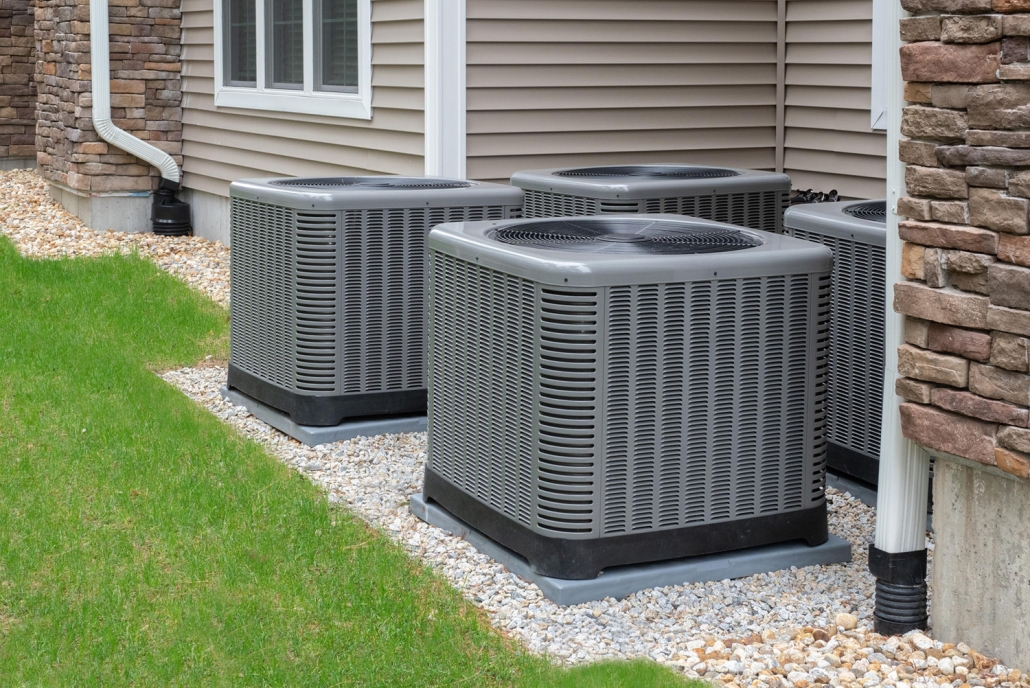
HVAC System Age Makes a Big Difference
Modern systems are built with efficiency in mind. New furnaces, heat pumps and air conditioners can often provide better comfort while using less energy than equipment installed 10, 15 or 20 years ago.
However, as these systems age, they often become less efficient. Even if the equipment still works, worn components, outdated technology and years of use can cause the system to use more energy to deliver the same level of comfort.
What HVAC Efficiency Ratings Mean
Different types of heating and cooling systems use different ratings. Air conditioners and heat pumps are measured using SEER2 (Seasonal Energy Efficiency Ratio 2), which estimates how efficiently they cool your home over an entire season.
Furnaces are measured by AFUE (Annual Fuel Utilization Efficiency), which indicates how much of the fuel they consume is converted into usable heat. In general, higher ratings mean greater energy efficiency and lower operating costs.
Regular Service Keeps Heating & Cooling Systems Running Strong
Even efficient equipment can lose performance without regular maintenance. Dirty filters, worn parts and minor issues can make your HVAC system work harder, increasing energy use and reducing comfort.
Annual maintenance helps keep systems operating efficiently and reliably. It also gives technicians a chance to catch small problems before they become expensive repairs.