
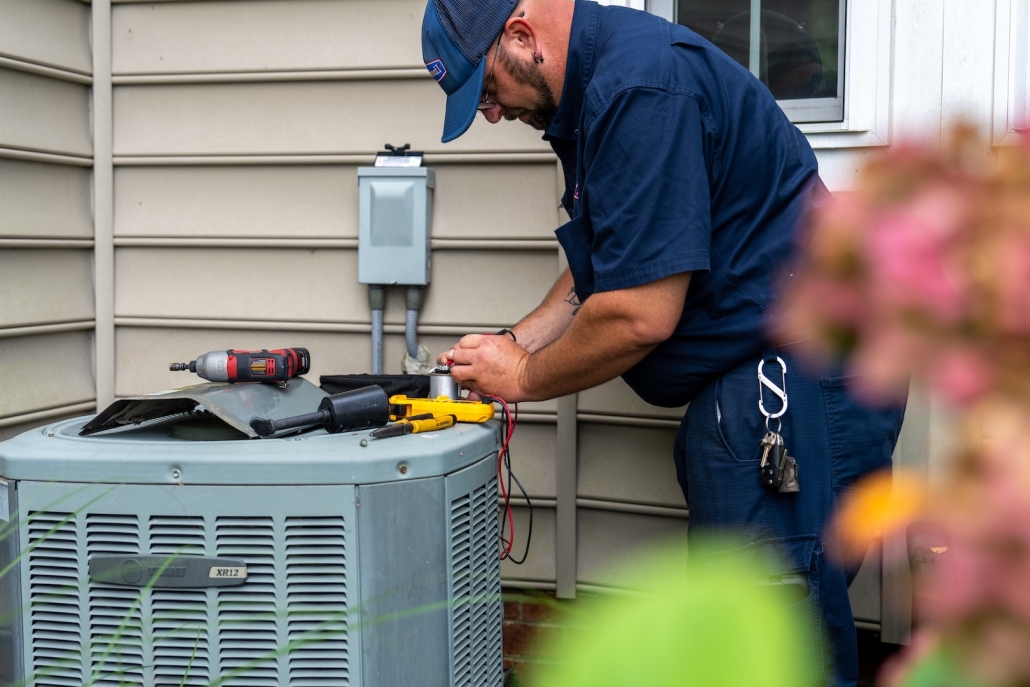
What Happens During Standard HVAC System Maintenance?
Many homeowners schedule HVAC maintenance because they know it’s “good to do,” but they don’t know exactly what a technician checks or why it matters. Understanding what happens during a standard tune-up can help you see the value in it — and know what to expect the next time a technician shows up at your Calvert County home.
Here’s a look inside a typical heating and cooling maintenance visit, from arrival to wrap-up.
Why Routine Maintenance Matters
Before diving into the checklist, it helps to understand the goal: a maintenance visit isn’t about fixing something that’s already broken. It’s about catching small issues — a worn belt, a slightly low refrigerant charge, a dirty coil — before they turn into a mid-summer breakdown or a costly repair. In Calvert County’s humid, coastal climate, systems work harder year-round, making routine upkeep even more important for efficiency and equipment lifespan.
Most manufacturers also require documented annual maintenance to keep equipment warranties valid, so a routine visit can protect your investment as much as your comfort.
Air Conditioning Maintenance: What’s Included
During a standard AC tune-up, a technician typically performs the following:
- Thermostat Check
The technician confirms your thermostat is calibrated correctly and communicating properly with the system, ensuring your set temperature matches actual performance. - Electrical Component Inspection
Loose or corroded electrical connections are one of the most common causes of system failure. A technician tightens connections, checks voltage and amperage draw on motors, and inspects capacitors and contactors for wear. - Refrigerant Level Check
Proper refrigerant charge is essential for efficient cooling. Too little refrigerant means your system works harder and cools less effectively; too much can damage the compressor. A technician measures refrigerant pressure and adjusts it if needed. - Condenser and Evaporator Coil Cleaning
Dirty coils force your system to work harder to transfer heat, driving up energy use. Because Calvert County’s coastal air can accelerate dirt and salt buildup on outdoor units, coil cleaning is a particularly important step here. - Condensate Drain Line Inspection
A clogged condensate drain can cause water backup, which may lead to water damage or mold growth in humid climates like ours. Technicians clear the line and check for proper drainage. - Blower Motor and Fan Inspection
Technicians check the blower motor and fan for wear, proper lubrication, and correct airflow, since poor airflow reduces both comfort and efficiency. - Air Filter Replacement or Cleaning
A dirty filter restricts airflow and makes your entire system work harder. Most maintenance visits include a filter check and replacement if needed. - Ductwork and Airflow Check
Technicians often inspect visible ductwork for obvious leaks, disconnections, or blockages that could be reducing system performance.
Furnace and Heating System Maintenance: What’s Included
A furnace or heating system tune-up covers many similar categories, with some heating-specific checks:
- Heat Exchanger Inspection
This is one of the most critical safety checks in the entire visit. A cracked heat exchanger can allow carbon monoxide to leak into your home, so technicians carefully inspect it for cracks, corrosion, or damage. - Burner and Ignition System Check
Technicians clean and inspect burners and the ignition system to ensure proper, safe combustion and consistent heat output. - Carbon Monoxide Testing
Given the safety risks of combustion heating systems, a proper maintenance visit includes testing for carbon monoxide leaks—an essential step for oil, gas, and propane furnaces alike. - Gas Pressure and Connections (for gas systems)
Technicians check gas line connections and pressure to ensure the system is burning fuel safely and efficiently. - Oil Furnace-Specific Checks (for oil heat systems)
Homes using oil heat, which remains common in Southern Maryland’s more rural areas, typically receive additional service, including nozzle replacement, oil filter changes, and combustion efficiency testing, to keep the system burning cleanly. - Blower Motor and Belt Inspection
As with AC systems, technicians inspect and lubricate the blower motor, belts, and bearings as needed to keep airflow consistent and reduce strain on the motor. - Thermostat and Safety Control Testing
Technicians verify that safety switches, limit controls, and thermostats are functioning correctly to prevent overheating or unsafe operation.
What You’ll Typically Receive After the Visit
A thorough maintenance appointment usually ends with:
- A summary of what was inspected, cleaned, or adjusted
- Notes on any parts showing early wear, with repair or replacement recommendations
- Confirmation that safety checks (like carbon monoxide testing) passed
- Suggestions for filter replacement schedules or other homeowner upkeep between visits
This gives you a clear picture of your system’s condition, rather than a vague “everything looks fine.”

How Long Does a Maintenance Visit Take?
A standard tune-up for a single system typically takes 45 minutes to about 90 minutes, depending on the system’s age, accessibility, and whether any adjustments are needed beyond the standard checklist. Homes with multiple systems or combined heating and cooling visits will naturally take longer.
How Often Should You Schedule Maintenance?
Most manufacturers and HVAC professionals recommend:
- Air conditioning: once per year, ideally in spring before peak cooling season
- Furnace or heating system: once per year, ideally in fall before peak heating season
Homes in Calvert County’s humid, coastal environment can benefit from sticking closely to this twice-a-year rhythm, since both heating and cooling systems face more strain here than in drier inland climates.
Why Professional Maintenance Beats DIY Checks
While homeowners can handle basics like regularly replacing air filters, many maintenance steps — refrigerant checks, electrical testing, combustion safety testing, heat exchanger inspection — require specialized tools and training to perform safely and accurately. Attempting these without proper equipment can miss real problems or, with gas and oil systems, create safety risks.
Schedule Your HVAC Maintenance Today
Routine maintenance is one of the most cost-effective things you can do for your home — it protects your equipment, keeps your energy bills in check, and catches small problems before they become expensive emergencies.
Ready to schedule your HVAC seasonal tune-up?